

Perkembangan kebijakan Asuransi Kesehatan Nasional (JKN) di Indonesia telah mencerminkan upaya serius untuk mencapai cakupan kesehatan universal (Universal Health Coverage, UHC) dalam sebuah negara dengan populasi yang besar dan beragam. Namun, terdapat tantangan yang signifikan dalam perjalanan ini.
“Situasi kesehatan di Indonesia mencerminkan kompleksitas masalah yang harus dihadapi. Perubahan tren kesehatan dan demografi telah mempengaruhi harapan hidup, mortalitas bayi, penyakit menular seperti malaria, dan perubahan pola penyakit seperti diabetes dan penyakit jantung,” kata Ye Eun Ha.
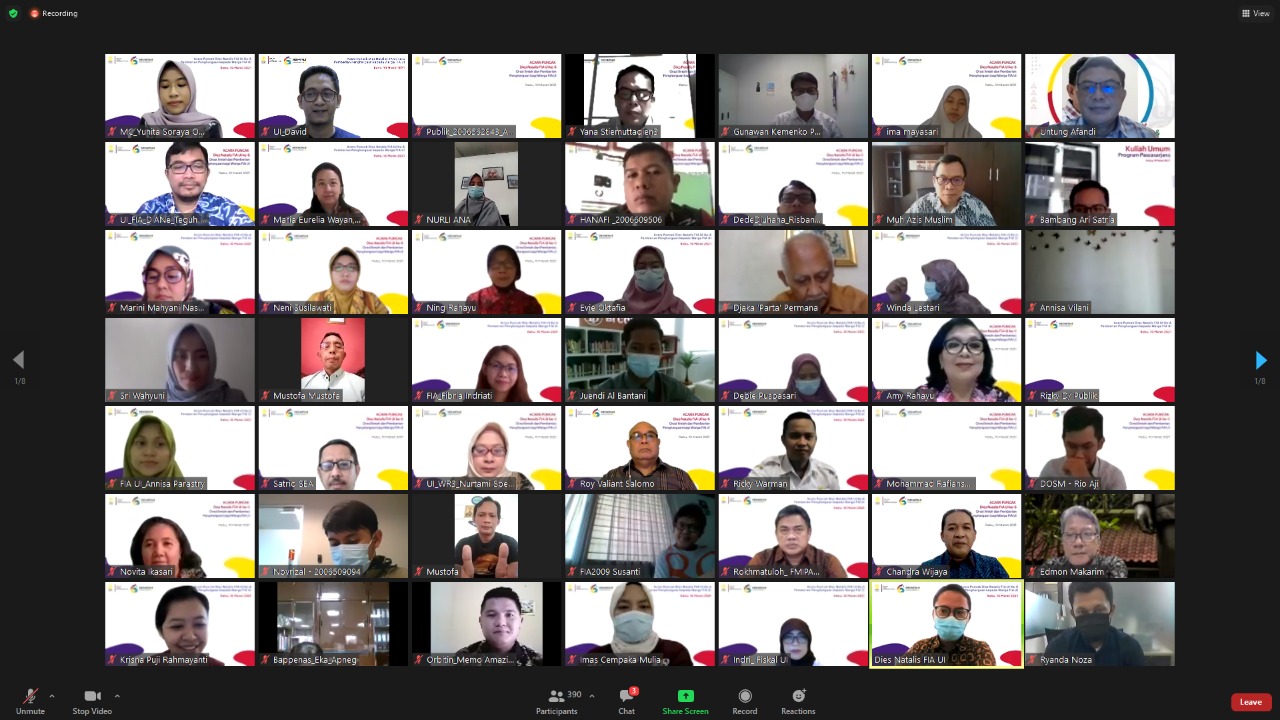
Ye Eun Ha yang merupakan DPhil student in Social Policy, University of Oxford menyampaikan hal tersebut dalam acara Visiting Scholar Fakultas Ilmu Administrasi Universitas Indonesia (FIA UI) pada Rabu, 1 November 2023 siang yang berlangsung secara hybrid di Auditorium EDISI 2020 FIA UI Depok. Kegiatan ini dihadiri kurang lebih 100 peserta yang hadir secara hybrid.
Dalam beberapa dekade terakhir, kata Ye Eun Ha, Indonesia telah mengalami peningkatan harapan hidup, penurunan mortalitas bayi dan anak, dan penurunan insiden penyakit menular seperti malaria. Namun, tantangan seperti masalah gizi buruk pada anak-anak dan penyakit-penyakit yang terkait dengan kemajuan sosial juga muncul.
“Perkembangan kebijakan perlindungan sosial dan kesehatan di Indonesia telah berlangsung selama beberapa dekade. Setelah merdeka pada tahun 1945, fokus utama adalah pemulihan pasca perang dengan situasi kesehatan yang memprihatinkan. Reformasi kesehatan dimulai pada era kepemimpinan Ir.Soekarno, yang membuka jalan bagi perlindungan sosial informal dan inisiatif pertama untuk mendirikan sistem kesehatan nasional,” ungkapnya.
Lebih lanjut, Ye Eun Ha menyebut pada era kepemimpinan H. M. Soeharto melihat perkembangan program jaminan sosial dan asuransi kesehatan, dengan peningkatan signifikan dalam indikator kesehatan pada tahun 1970-an dan 1980-an.
“Reformasi demokratis dan perubahan konstitusi menciptakan landasan hukum untuk hak atas jaminan sosial. Program jaring pengaman sosial dan asuransi kesehatan untuk warga miskin dikembangkan sebagai bagian dari upaya menuju cakupan kesehatan universal (UHC),” ungkapnya.
Undang-Undang Sistem Jaminan Sosial Nasional (SJSN) disahkan pada tahun 2004 untuk memberikan perlindungan sosial bagi semua warga. Namun, kata Ye Eun Ha, upaya mencapai UHC masih dihadapkan pada sejumlah tantangan berkelanjutan. Kualitas layanan kesehatan, personel, infrastruktur, pembiayaan, dan pengeluaran pribadi menjadi perhatian utama.
“Ketimpangan regional yang besar, partisipasi sektor informal yang rendah, dan defisit dalam struktur NHI (National Health Insurance) adalah masalah yang perlu diatasi. Selain itu, masalah korupsi, praktik ganda dokter, dan peran sektor swasta yang semakin besar juga menjadi bagian dari tantangan ke depan,” katanya.
Ya Eun Ha menyatakan bahwa perkembangan kebijakan asuransi kesehatan nasional di Indonesia adalah upaya yang luar biasa dalam mencapai UHC. Namun, pemecahan masalah berkelanjutan dalam kualitas dan cakupan layanan kesehatan, pengelolaan pembiayaan, serta ketidaksetaraan sosial dan regional tetap menjadi tugas berat yang harus dihadapi oleh pemerintah dan pemangku kebijakan di masa depan.