FIA_UI2026
- Posted on
JAKARTA – Jakarta adalah kota dengan banyak cerita. Di balik gemerlapnya kota dan deretan gedung pencakar langit, ada kehidupan yang berdenyut dari balik gang-gang sempit, dari bantaran kali yang setiap musim hujan airnya meluap sampai pemukiman.
Kadang paradoks yang menggumpalkan ironi ini amatlah dekat. Di balik gedung-gedung tinggi perkantoran megah, dan mewahnya pusat perbelanjaan, ada kantung-kantung pemukiman warga miskin. Begitu lah kehidupan berjalan di Jakarta sejak lama. Ketika gedung-gedung tumbuh makin tinggi, kampung-kampung semakin tenggelam.
Air laut semakin tinggi, sebagiannya merasuk ke dalam tanah, dan aliran sungai terus mengikis tepian. Di banyak tempat, rumah-rumah dibangun permanen di bantaran kali, meski si empunya paham banjir mengintai setiap musim hujan tiba. Bukan keras kepala, orang-orang itu punya segudang alasan untuk tetap melekat pada tanah tersebut.
Di Jakarta, ada banyak kawasan yang menjadi langganan banjir. Hujan sedikit saja, air sudah menggenang ke jalan. Ketika hujan turun sehari tanpa henti, maka rumah-rumah tergenang, bahkan tenggelam. Peristiwa ini berulang.
Tapi masyarakat di wilayah ini sudah kadung “bersahabat” dengan situasi. Mereka yang berumah di wilayah rendah, sepanjang aliran Sungai Ciliwung misalnya, melihat banjir sebagai bencana rutin dan tak terhindarkan. Mereka hanya harus bertahan saat banjir datang, kemudian membenahi rumah setelah air surut.
Begitulah cara warga Jakarta merespon banjir berulang. Tak lagi kaget, karena mereka pun sudah memperhitungkan kemungkinannya dan berusaha memperkecil dampak setiap musim hujan tiba. Becek hingga genangan tak lagi membuat susah hati berlama-lama.
Bersiasat Dengan Genangan
Henni Tarigan adalah satu di antara ribuan warga Jakarta yang sudah terbiasa dengan banjir. Perempuan yang tinggal dekat Teluk Gong, Jakarta Utara itu mengaku wilayahnya nyaris selalu tergenang setiap kali hujan deras turun.
Rumah-rumah berdempetan, lingkungan padat, dan akses sempit membuat genangan menjadi pemandangan sehari-hari. Meski begitu, dia memilih bertahan karena alasan ekonomi dan lokasi.
Henni dan sang suami bekerja tak jauh dari tempat tinggalnya. Menurutnya, lokasi Teluk Gong sangat strategis karena dekat dengan tempat mencari nafkah. Sementara jika harus pindah, biaya yang dibutuhkan tidaklah sedikit.
“Kalau melihat kondisi ekonomi sekarang, pindah rumah dengan kemampuan kami mungkin hanya bisa ke wilayah Kabupaten Tangerang. Jaraknya jauh, tidak strategis, dan tentu akan mempengaruhi pekerjaan. Sebenarnya sudah lama ingin pindah, tapi pertimbangannya itu,” ujar Henni kepada Validnews, Minggu (30/12).
Karena itu, bagi perempuan 47 tahun, solusi yang bisa mereka lakukan adalah renovasi bertahap. Setiap kali ada rezeki, mereka menambah lantai, meninggikan struktur bangunan, dan menyesuaikan rumah dengan ritme banjir yang datang dari tahun ke tahun.
“Rumah kami dibuat tiga lantai. Lantai satu untuk dapur dan tempat motor, lantai dua kamar kami, dan lantai tiga kamar anak-anak. Untuk saat ini, itu saja solusi yang bisa kami lakukan,” terangnya.
Bergeser ke wilayah lain, sedikit keluar wilayah administrasi Jakarta, ada Irene Patricia yang telah tinggal selama 24 tahun di bantaran Kali Angke, wilayah Gondrong, Tangerang. Sejak kecil ia hidup berdampingan dengan air yang mengalir deras. Bahkan tanpa hujan pun, air kiriman dari hulu kerap merembes dan menggenangi area sekitar rumahnya. Peristiwa banjir, sudah menjadi “ritme hidup” yang ia kenal sejak lama.
Mewakili ibunya, Irene bercerita bahwa bagi keluarganya, pindah bukanlah pilihan. Tanah tempat rumah mereka saat ini bukan sekadar lokasi tinggal. Itulah jejak perjuangan kedua orang tuanya yang merantau dari kampung halaman dan pada 2001 berhasil mengumpulkan cukup tabungan untuk membeli sebidang tanah di bantaran kali.
“Sayang kalau pindah,” ujar perempuan 23 tahun itu kepada Validnews, Senin (1/12).
Secara ekonomi, keluarga Irene bukanlah golongan yang berkekurangan. Pekerjaan orang tuanya cukup mumpuni untuk menghasilkan uang yang cukup, termasuk untuk mewujudkan rumah baru. Tapi pindah rumah sama sekali belum terlintas di benak mereka.
Alih-alih meninggalkan tempat yang penuh kenangan, mereka justru memilih beradaptasi dengan merenovasi rumah secara besar-besaran. Menambah lantai dua, menguruk lantai satu agar lebih tinggi, hingga menyiapkan area khusus untuk menyelamatkan motor saat banjir datang, menjadi ‘kewajiban’ yang harus dilakukan.
“Di sekitar kami hanya ada tiga rumah yang posisinya paling rendah, berjarak kurang lebih lima meter dari aliran kali. Capek memang, tapi meninggalkan tempat yang penuh kenangan jauh lebih berat,” ucapnya.
Ada pula cerita Ida Rusli (55 tahun), warga di Blok Empang, Muara Angke, Jakarta Utara. Kisahnya lebih getir karena harus menghadapi rob yang bisa datang hingga empat kali dalam sebulan. Peringatan pemerintah tentang potensi rob sudah menjadi hal rutin. Begitu pula langkah-langkah penyelamatan dengan memindahkan barang berharga ke lantai dua, menjaga kendaraan tetap aman, dan bersiap menghadapi hari-hari saat air laut naik tanpa kompromi, adalah hal yang biasa.
Sama seperti yang lainnya, Ida dan keluarga tak pernah menjadikan pindah rumah sebagai pilihan. Bukan tanpa keinginan untuk hidup lebih nyaman, tetapi sebagai keluarga nelayan dengan pendapatan yang terbatas, pilihan untuk pindah hampir mustahil dilakukan.
“Sepertinya tidak mungkin untuk pindah” sebut Ida kepada Validnews, Senin (1/12).
Seperti keluarga Irene, bagi Ida dan keluarga, rumah adalah kenangan. Bukan karena abai terhadap risiko, rumah mereka saat ini adalah sejarah, sumber penghidupan, dan identitas yang sulit ditinggalkan.
Ikatan Emosional dan Sosial
Ketiga kisah tersebut menunjukkan benang merah yang sama, keputusan untuk tidak pindah bukan sekadar soal tempat, melainkan soal ikatan. Hal tersebut dijelaskan oleh Kasandra Putranto Psikolog Klinis dari Ikatan Psikolog Indonesia (IPK).
Dari penjelasan Kasandra, hal ini sejalan dengan penelitian dari Sari, Wahyuningtyas & Dimasiosz (2025) yang menyebutkan bahwa beberapa faktor memengaruhi keluarga untuk tetap tinggal di wilayah rawan banjir yakni lamanya bermukim, hubungan sosial yang kuat, lokasi pekerjaan yang dekat, serta status kepemilikan rumah memberikan rasa aman secara ekonomi.
Kasandra menjelaskan bahwa ikatan emosional atau place attachment memiliki pengaruh besar dalam keputusan warga untuk bertahan. Rasa kepemilikan terhadap rumah yang dibangun dari hasil jerih payah, kedekatan dengan keluarga besar dan tetangga, hingga jaringan sosial yang menjadi sumber dukungan, semuanya memberi rasa aman yang sulit digantikan.
“Faktor-faktor inilah yang membuat banyak keluarga tetap memilih tinggal meski lingkungannya belum sepenuhnya pulih atau penuh risiko,” ungkap Kasandra kepada Validnews, Senin (1/12).
Ketika harus pindah ke tempat baru, banyak yang mengalami kecemasan terkait kemungkinan tidak bisa beradaptasi, kehilangan dukungan sosial, perubahan rutinitas, serta rasa terasing karena lingkungan baru tidak memiliki makna emosional yang sama.
“Kondisi ini dapat memicu stres, ketidakpastian, dan perasaan kehilangan kontrol atas hidup mereka,” sebut Kasandra.
Keterikatan emosional sering bekerja bersamaan dengan faktor ekonomi, menurut Sosiolog Universitas Padjadjaran, Yusar Muljadi. Katanya, banyak warga bertahan karena tidak memiliki kapital cukup untuk pindah ke tempat lebih aman. Mereka adalah kelompok berpenghasilan rendah yang tidak memiliki alternatif hunian lain.
Di sisi lain, beberapa kelompok memiliki ikatan historis dengan wilayahnya. Misalnya nelayan pesisir atau masyarakat yang hidup bergantung pada sungai, sehingga secara budaya dan ekonomi mereka melekat pada lingkungan tersebut.
Yusar memaknai kondisi itu sebagai bentuk “berdamai dengan bencana” atau active adaptation.
“Sama seperti masyarakat Jepang yang beradaptasi dengan gempa dan banjir melalui teknologi dan infrastruktur, masyarakat di daerah rawan bencana di Indonesia pun mencoba menyesuaikan diri dengan risiko yang terus-menerus,” ungkap Yusar kepada Validnews, Selasa (2/12).
Tetapi ia mengingatkan bahwa adaptasi bukan pilihan yang harus ditanggung masyarakat, terutama bila penyebab bencana adalah ulah manusia. Bencana seharusnya cukup terjadi sekali, lalu dicegah agar tidak terulang melalui kebijakan dan pengelolaan lingkungan yang lebih baik.
Kegagalan Program Relokasi
Pengamat sosial sekaligus Sosiolog Universitas Ibnu Chaldun Jakarta, Musni Umar menyoroti ketimpangan pendidikan sebagai salah satu faktor utama mengapa sebagian warga memilih tetap tinggal di daerah rawan bencana. Menurutnya, pendidikan membentuk cara seseorang melihat realitas, termasuk banjir yang merugikan. Mereka yang berpendidikan lebih tinggi umumnya lebih memahami risiko dan lebih terbuka terhadap opsi relokasi, tinimbang bertahan di tempat yang terus-menerus mendatangkan kerugian.
“Sebaliknya, kelompok masyarakat berpendidikan rendah sering kali memiliki kesadaran keselamatan yang minim sehingga sulit menerima gagasan pindah ke tempat yang sama sekali baru,” terangnya kepada Validnews, Rabu (3/12).
Maka tidak heran jika berbagai program relokasi yang ditawarkan pemerintah sering kali berujung penolakan. Relokasi, menurut Musni, tidak bisa hanya mengandalkan penyediaan rumah pengganti, mengingat rumah menyimpan ikatan yang dalam dengan tanah tempat ia berdiri.
“Keberhasilannya sangat ditentukan oleh keterlibatan tokoh agama, tokoh masyarakat, dan pendekatan persuasif yang membangun kesadaran warga bukan sekadar memindahkan mereka secara administratif,” tegasnya.
Sementara sosiolog Yusar Muljadi menegaskan bahwa relokasi adalah proses perubahan budaya. Memindahkan warga berarti menggeser mereka dari lingkungan sosial, ekonomi, dan identitas yang sudah mereka kenal puluhan tahun.
Baik Musni maupun Yusar memiliki pandangan senada di mana solusi jangka panjang tidak bisa hanya bergantung pada mitigasi bencana atau bantuan darurat. Keduanya menekankan pada soal regulasi yang kuat dan konsisten untuk menjaga kelestarian alam. Karena pada dasarnya, bencana alam seperti banjir adalah tanda rusak dan melemahnya ekosistem alami.
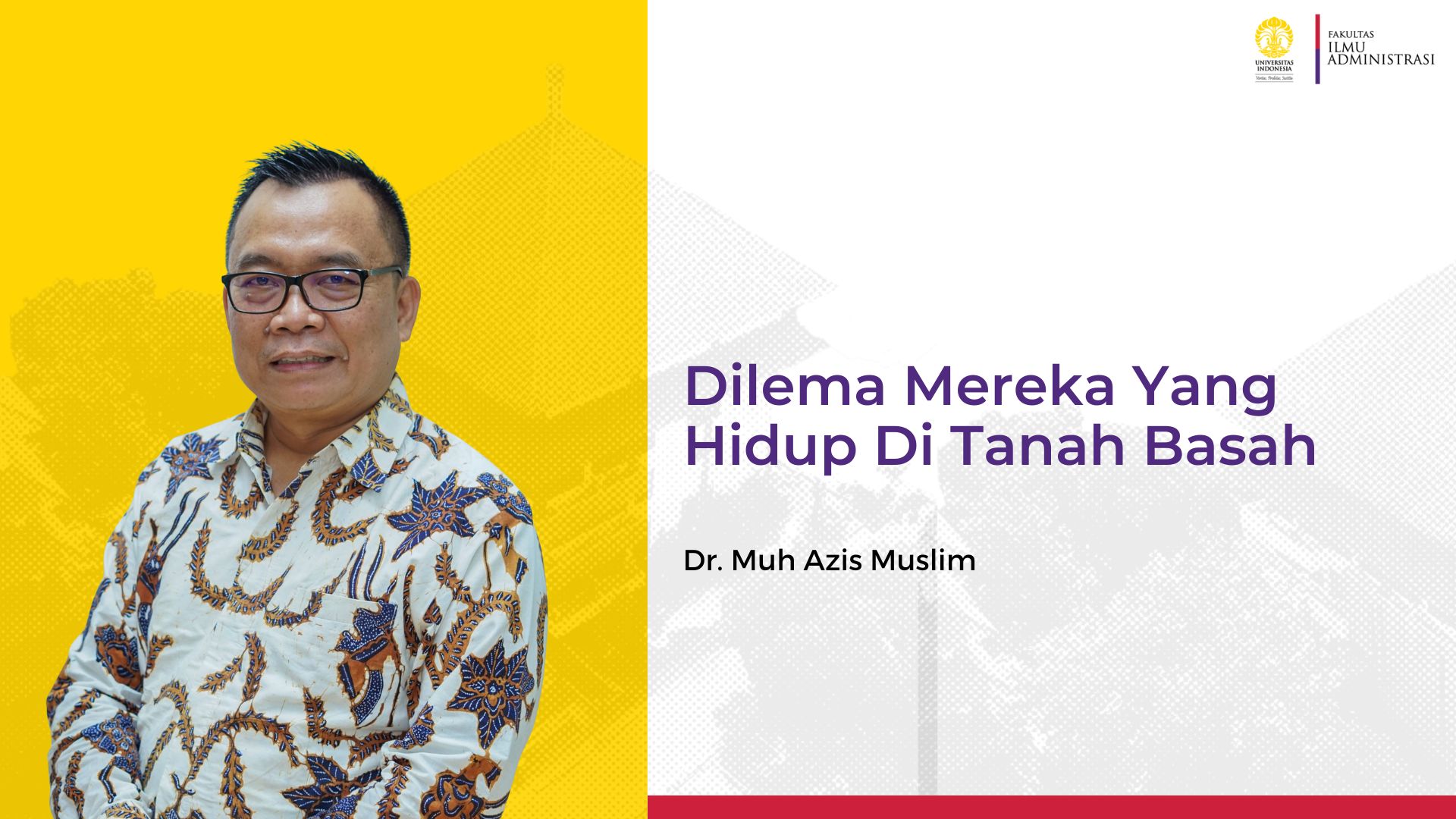
Mengamati lebih jauh, Pengamat Tata Kota dari Universitas Indonesia, Muh. Azis Muslim menjelaskan bahwa pindah bukan hanya soal memindahkan warga dari titik A ke titik B, tetapi mempertimbangkan apakah kehidupan dan penghidupan mereka akan lebih baik di tempat baru. Banyak warga tinggal dekat sumber mata pencaharian, jaringan sosial, dan fasilitas yang sudah mereka kenal.
Menurut Aziz, jika relokasi ingin berhasil, negara harus menyediakan kompensasi yang adil serta fasilitas dasar yang lengkap seperti pendidikan, kesehatan, ruang usaha, transportasi, dan akses pekerjaan. Tanpa itu, relokasi hanya memindahkan masalah dari satu titik ke titik lain.
“Itulah sebabnya relokasi sering ditolak. Bukan semata-mata karena warga tidak mau, tetapi karena mereka tidak melihat masa depan yang jelas di lokasi baru,” ujar Azis kepada Validnews, Selasa (2/12).
Meski demikian, Azis menilai bahwa relokasi kadang perlu menjadi pilihan ketika risiko sudah terlalu besar. Namun, solusi ideal tetaplah membenahi tata ruang dan memperkuat mitigasi.
Edukasi publik, sistem peringatan dini, perawatan infrastruktur, serta perencanaan ruang berbasis risiko menjadi kunci agar warga bisa hidup aman tanpa harus dipaksa pindah. Ia juga mendorong Jakarta belajar dari kota-kota dunia seperti Rotterdam, Tokyo, dan Singapura, yang membuktikan bahwa sistem drainase modern, tata ruang ketat, dan manajemen air terpadu dapat melindungi warganya dari bencana berulang.
Urgensi Pembenahan Tata Ruang
Aziz menyebutkan, banjir dan kerentanan permukiman di Jakarta tidak bisa dilepaskan dari sejarah tata ruang yang diabaikan. Banyak kawasan yang kini padat pemukiman dulunya merupakan wilayah resapan air, terlihat dari nama-nama daerah seperti Rawa Mangun, Rawa Badak, hingga Rawa Buaya.
Namun seiring waktu, perubahan fungsi lahan berlangsung masif. Area yang seharusnya difungsikan sebagai resapan beralih menjadi kawasan permukiman dan industri tanpa disiplin tata ruang yang memadai.
“Akibatnya, kemampuan tanah menyerap air menurun drastis. Ketika hujan besar datang, banjir menjadi keniscayaan,” ucapnya.
Ketidakdisiplinan dalam tata ruang dan perilaku manusia yang kurang peduli lingkungan, di mata Azis menjadi faktor utama memburuknya kondisi ini. Secara teknis, ia menyebut beberapa kelemahan mendasar dalam penataan kota yakni pembangunan agresif di lahan resapan, sistem drainase yang tidak terhubung dengan baik, serta pendekatan pembangunan yang hanya berorientasi proyek jangka pendek.
“Infrastruktur seperti drainase, tanggul, dan pompa air seharusnya dihitung kapasitas tampungnya, direncanakan berkelanjutan, serta dirawat secara berkala,” tegas Azis.
Sayangnya, perawatan infrastruktur kerap diabaikan. Contohnya terlihat pada keretakan tanggul di kawasan Pantai Mutiara yang menandakan lemahnya kualitas dan minimnya pemeliharaan. Azis menekankan pentingnya rencana tata kota yang berkelanjutan dan terintegrasi dengan mitigasi bencana. Kota harus dirancang berdasarkan perhitungan kapasitas hidrologis, sistem pengaliran air, dan risiko bencana jangka panjang.
“Infrastruktur besar seperti BKT dan BKB memang membantu, tetapi tanpa perencanaan menyeluruh dan evaluasi rutin, upaya tersebut tidak cukup mengatasi persoalan banjir,” paparnya.
Di Jakarta, persebaran daerah langganan banjir lumayan merata. Di Jakarta Timur ada wilayah Kampung Melayu dan Pulo Gadung yang terdapat RW langganan banjir. Di Jakarta Utara ada Cilincing, Pluit, dan Penjaringan yang juga kerap bernasib sama. Sementara di Jakarta Pusat ada wilayah Sawah Besar, Senen, dan Johar Baru. Sedang di Jakarta Selatan ada wilayah Pancoran, Jagakarsa, Pesanggrahan, dan Cilandak yang juga menjadi langganan banjir.
Bertahan Bukan Berarti ‘Tahan’
Psikolog Kasandra mencermati, pilihan banyak orang bertahan di wilayah langganan banjir atau bencana sejatinya tidak selalu merepresentasikan ketahanan mereka. Pilihan bertahan menurut dia membawa dampak yang sering kali tak terlihat secara kasat mata. Ketika warga terlihat seperti sudah terbiasa dan tahan terhadap bencana, fakta sebenarnya bisa berbeda dan tidak sesederhana itu.
“Normalisasi bencana bukanlah tanda bahwa seseorang menjadi lebih kuat. Secara psikologis, kondisi ini disebut sebagai habituation fallacy, yakni kepercayaan keliru bahwa paparan berulang terhadap bencana membuat seseorang lebih kebal,” ujar Kasandra kepada Validnews, Senin (1/12).
Sebenarnya, menurut berbagai studi, paparan atau trauma berulang justru meningkatkan risiko stres, kecemasan, dan distres pada pengalaman berikutnya. Artinya, mereka yang tampak “biasa saja” ketika banjir datang mungkin sedang melakukan adaptasi sehari-hari agar tetap bisa bertahan. Bukan berarti mereka benar-benar tidak terguncang.
Kasandra memberi penekanan pada pentingnya dukungan bagi masyarakat korban bencana, dalam hal ini banjir di Jakarta. Untuk menangani dampak bencana secara langsung, pendekatan perlindungan psikososial menjadi krusial.
Pasalnya, meski terbiasa dengan banjir, Kasandra menilai masyarakat yang berada di bantaran kali yang selalu diterjang banjir juga mengalami trauma, berat ataupun ringan setiap kali banjir datang. “Ini ditujukan untuk menjaga kesehatan mental warga yang tetap tinggal di daerah rawan bencana,” ucapnya.
Karenanya, dukungan bagi warga di daerah langganan banjir bisa dalam berbagai bentuk, demi memastikan mereka tak tenggelam dalam kecemasan dan depresi, tetaplah diperlukan.
Dr. Muh Azis Muslim, M.Si. Dosen Ilmu Administrasi Negara
Sumber: https://validnews.id/kultura/dilema-mereka-yang-hidup-di-tanah-basah