humasfia@ui.ac.id
(021) 78849087
Follow Us :
Profile
What is Administrative Science Study
About Us
Human Resources
Dean
Menu Item
Structure
Lecturer
Staff Member
Partners
Facilities
Program
Academic
Bachelor Program
Magister
Master’s Program
Master of Public Policy and Governance
Double Degree Program
Doctoral Program
Credit Earning Program
Pre-University Faculty of Administrative Science UI
Training Course
Executive Development Program
Research & Innovation
Research Cluster
UKK
Lembaga Pengkajian dan Penerapan Ilmu Administrasi (LPPIA)
Tax Centre
RGC
Pusat Kajian Governansi, Kebijakan Publik dan Bisnis
Bisnis & Birokrasi : International Journal of Administrative Science
Student & Alumni
Internship Program
Campus Life
Scholarship
Alumni’s Biography
Kalender Akademik
Others
Document
Legal Product
Standard Operational Procedure
Logo and VB
Faculty Report
Policy Brief
Accreditation Certificates
Open Content
Seminar / Conference
Whistle Blower
Sipduga UI
FIA UI’s Building
ZI & SDGs
Integrity Zone
SDGs Initiatives
English
Indonesia
English
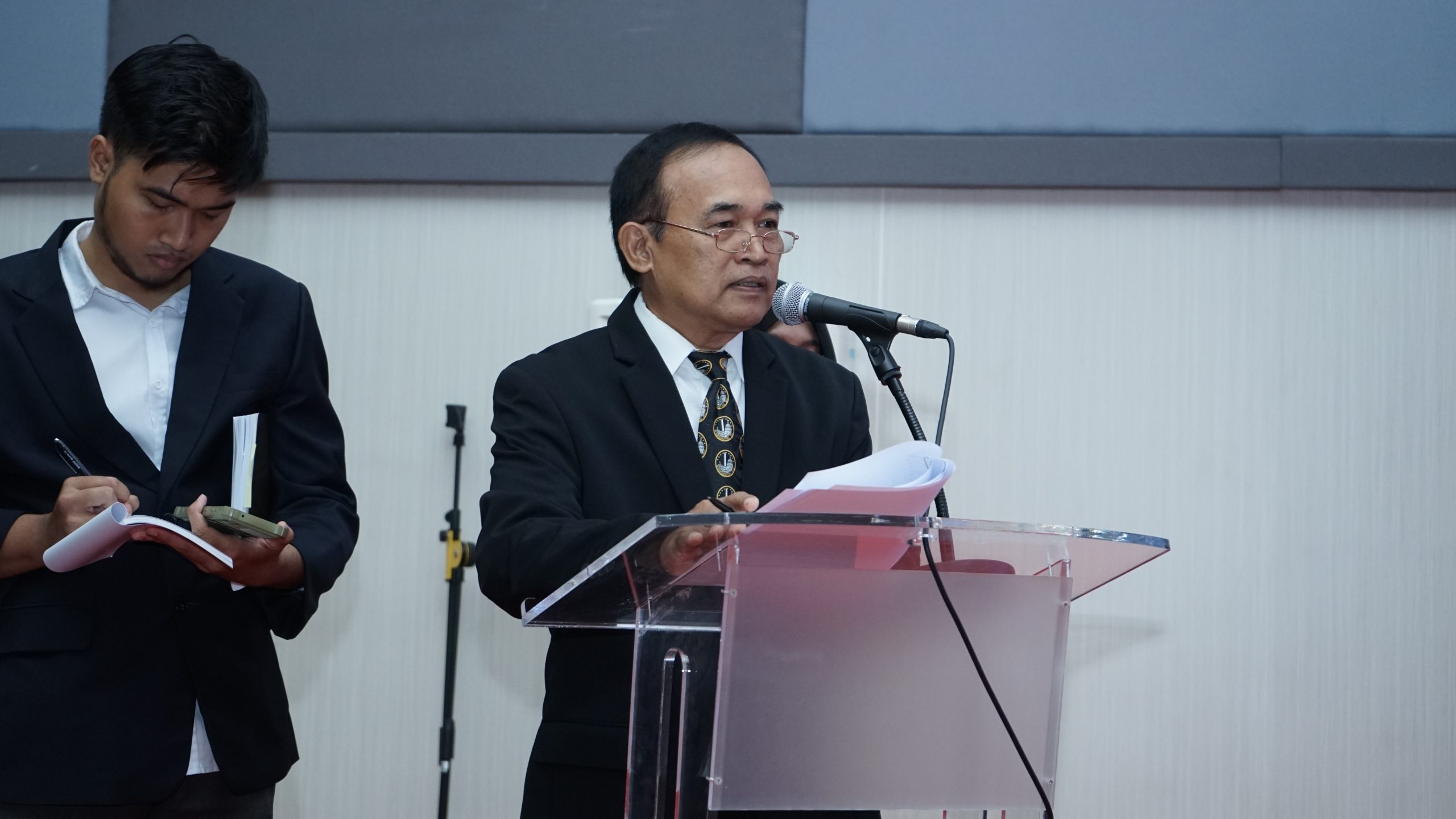
Promosi Doktor FIA UI Bahas Kebijakan Insentif Fiskal Industri Gasifikasi Batubara dalam Mendukung Ketahanan Energi Nasional
Home
Uncategorized
Promosi Doktor FIA UI Bahas Kebijakan Insentif Fiskal Industri Gasifikasi Batubara dalam Mendukung Ketahanan Energi Nasional
Posted on
Friday December 8th, 2023
No Comments
Sorry, this entry is only available in
Indonesia
.
Company Visit ke PT BEI: Sarana Mahasiswa FIA UI Perdalam Wawasan Pasar Modal
Dosen UI Berikan Pelatihan Digital Marketing dan Perpajakan Untuk Pelaku UMKM di Parung Panjang, Bogor
Related Posts
Halal Bihalal Idul Fitri 1445 H FIA UI Tahun 2024
Posted on
Tuesday April 23rd, 2024
FIA UI Beri Beasiswa Penuh bagi Puteri Indonesia 2024
Posted on
Saturday March 9th, 2024
Stabilitas Otonomi Jakarta
Posted on
Thursday March 7th, 2024
Membangun Visi Reformasi Birokrasi
Posted on
Thursday March 7th, 2024
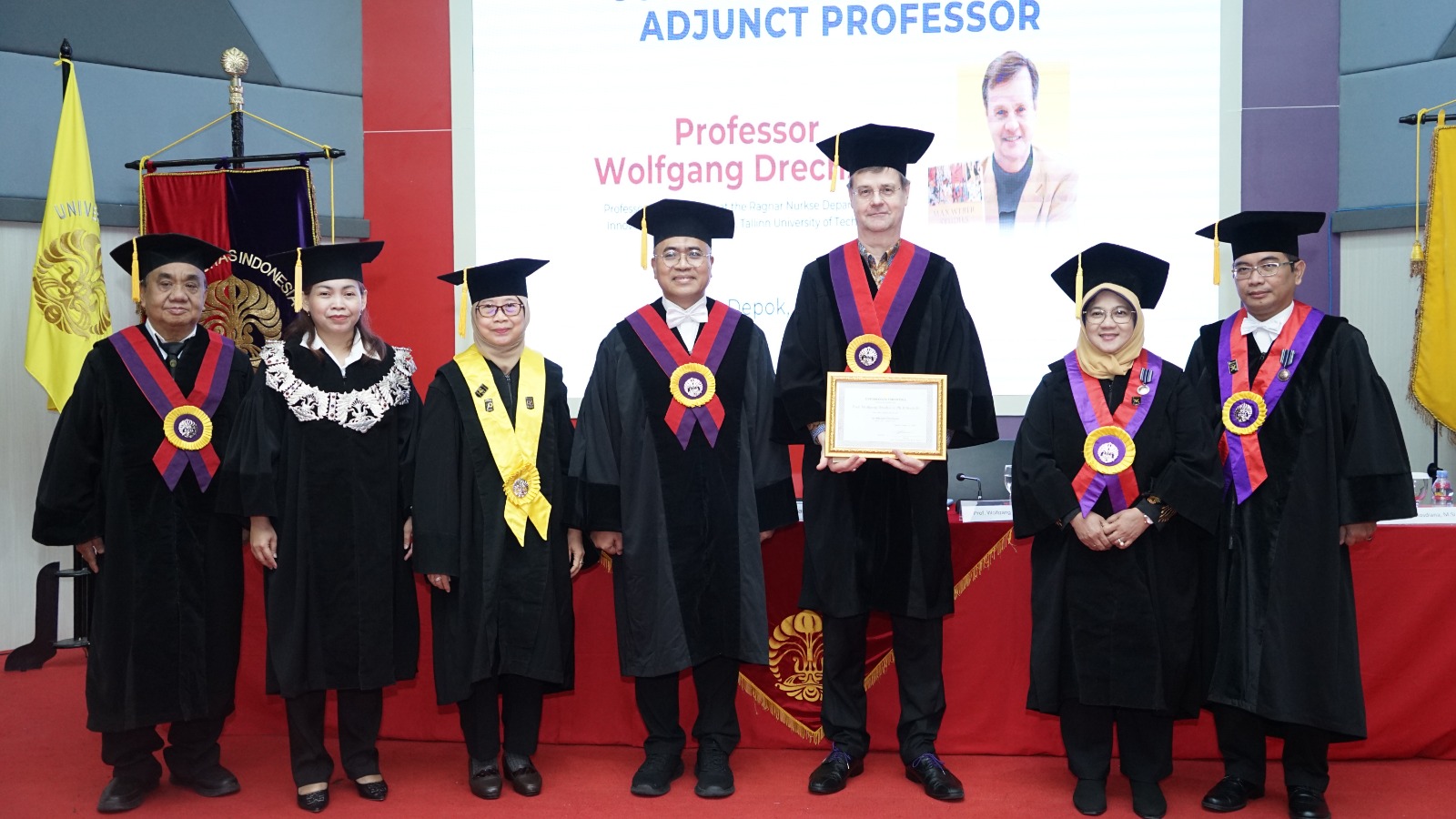
FIA UI Angkat Pakar Tata Kelola Publik dari Estonia Jadi Adjunct Professor
Posted on
Thursday February 29th, 2024
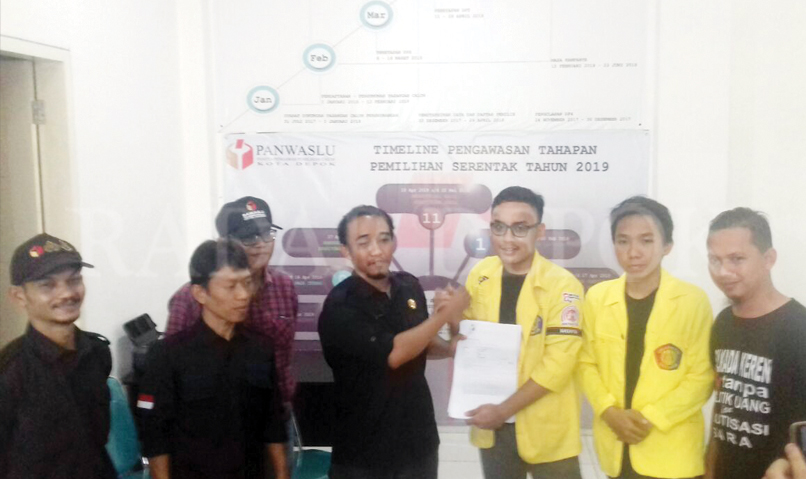
Student Participatory Supervision, BEM FIA UI Submit Report
Posted on
Friday June 29th, 2018
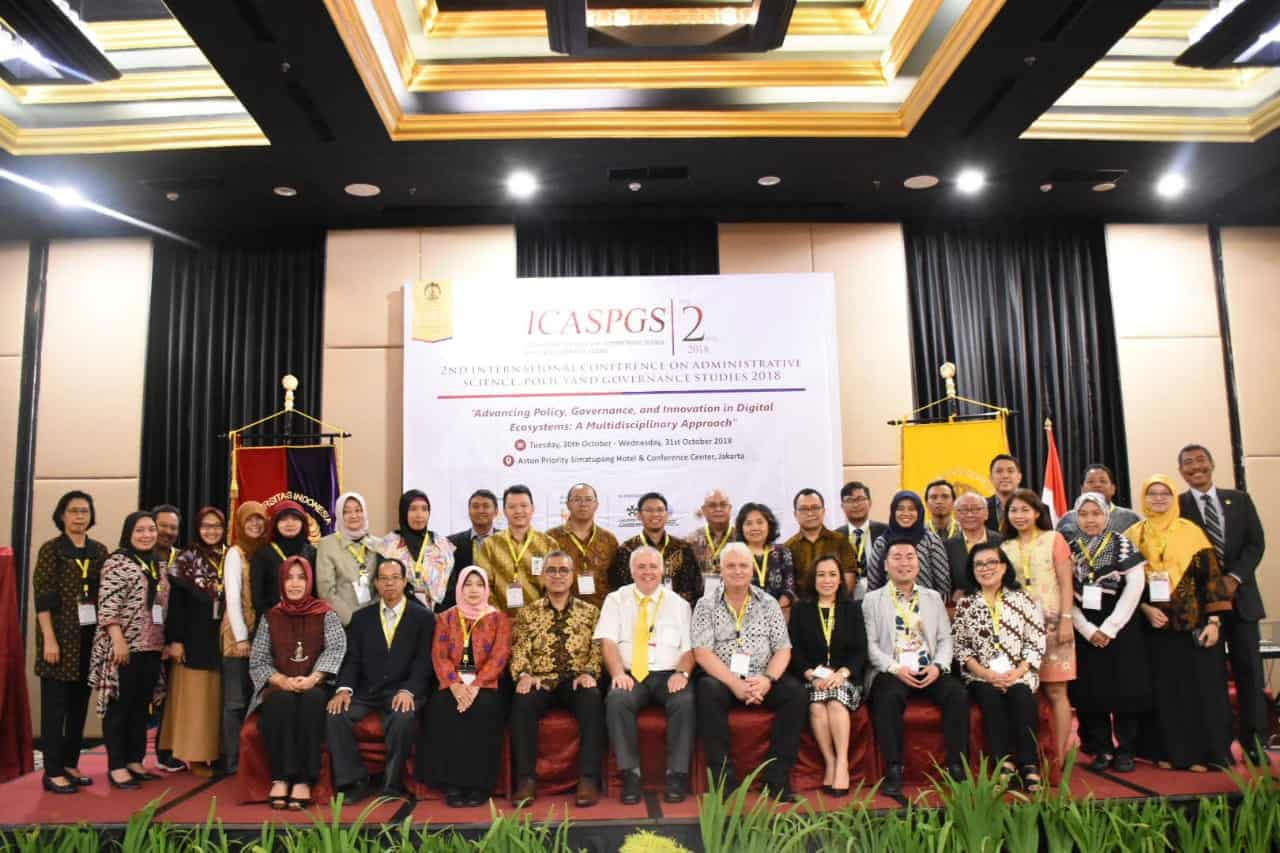
Exploration of the Strategy of the Public Sector to Face the Digiral Era of FIA UI ICASPGS 2018
Posted on
Thursday November 1st, 2018
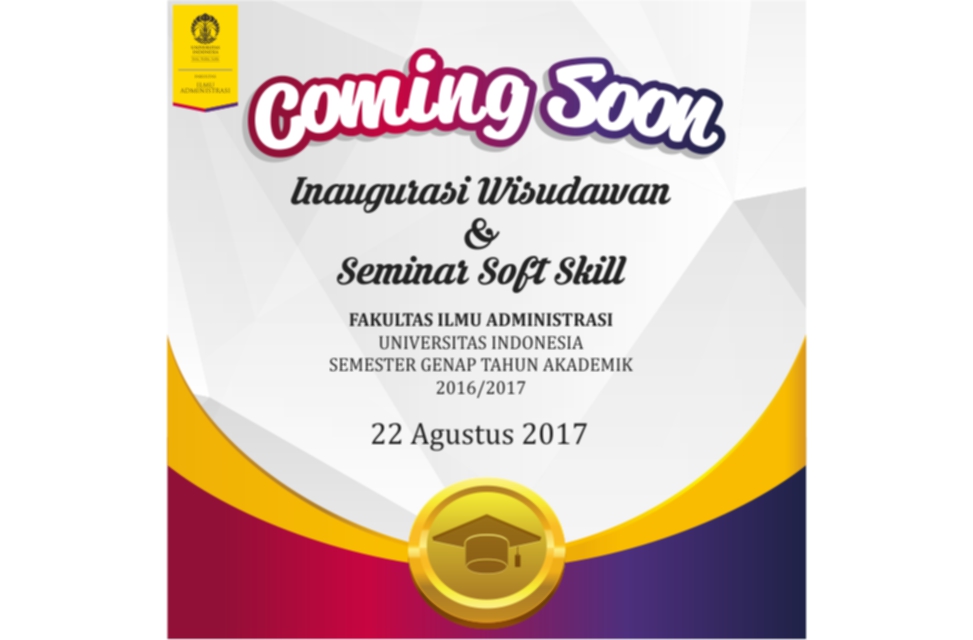
COMING SOON : Inaugurasi Wisudawan & Seminar Soft Skill
Posted on
Friday August 11th, 2017