FIA_UI2026
- Posted on
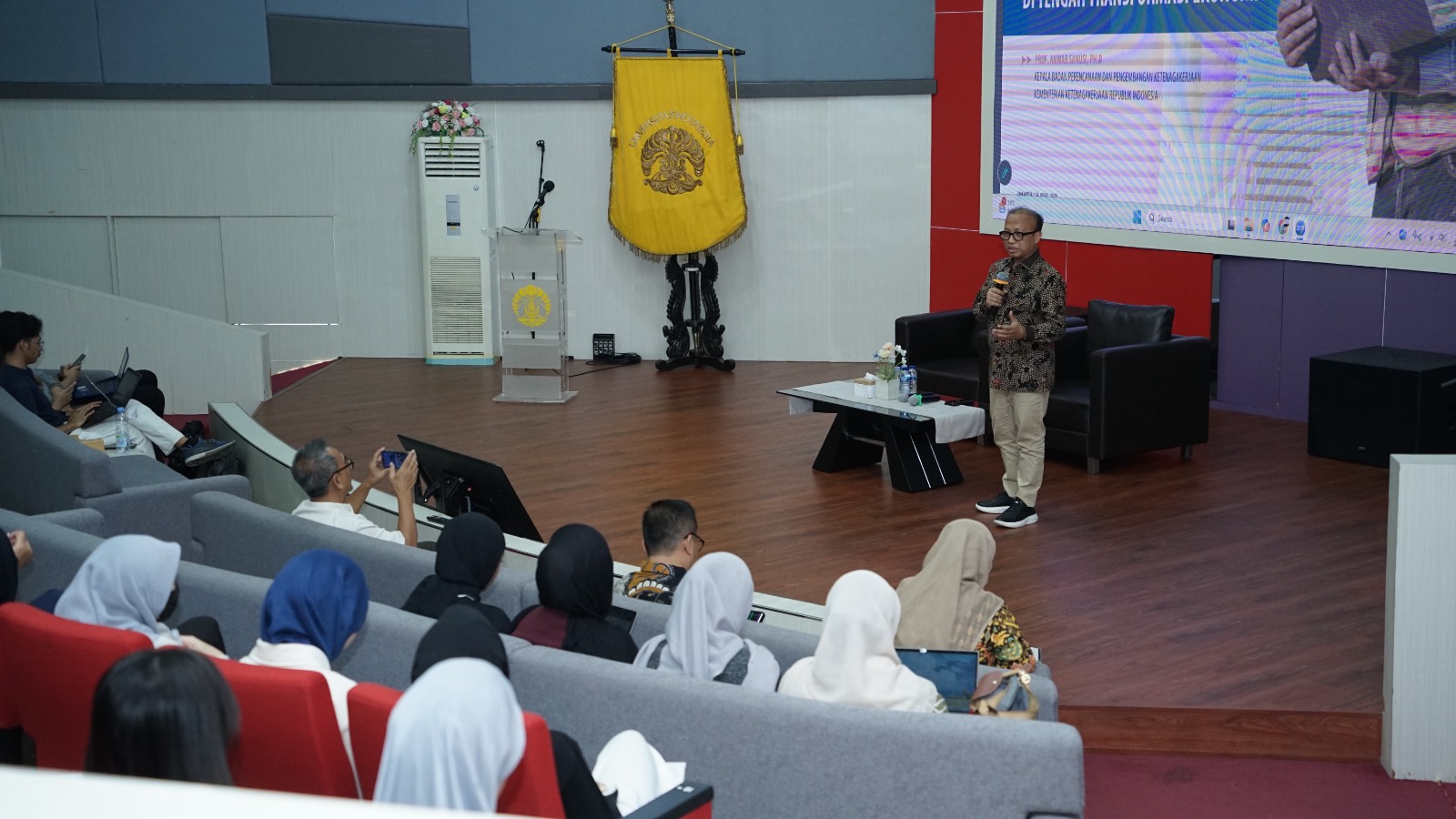
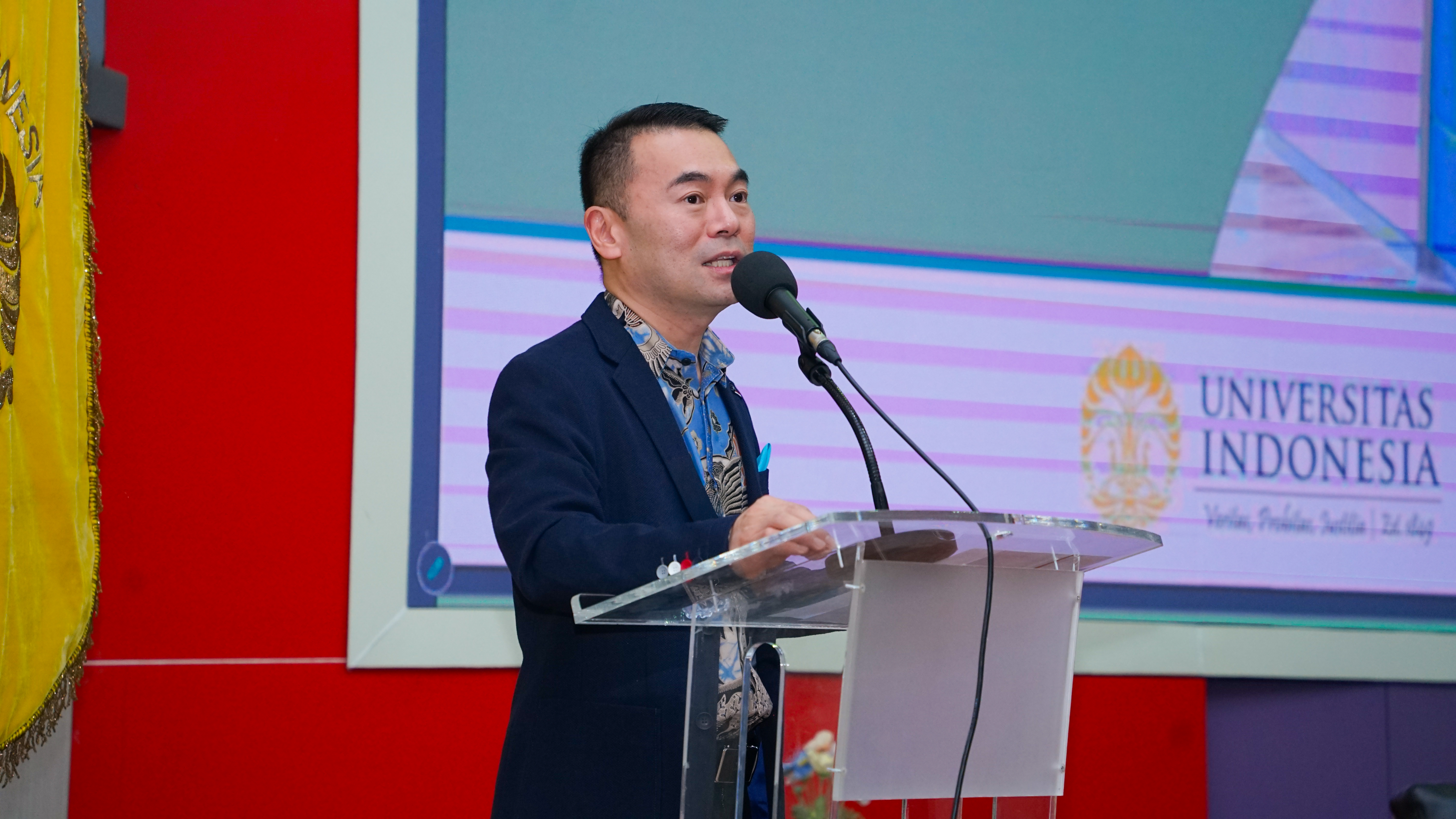
Depok, 27 April 2026 — Fakultas Ilmu Administrasi Universitas Indonesia (FIA UI) melalui Center for Innovative Governance (CIGO) dan Collaborative Governance, Digital Transformation, and Public Service Cluster (CG-DTPS) menyelenggarakan kuliah umum bertajuk Human-Centric Cyber Security Research. Kegiatan ini menghadirkan Prof. William G.S. Yeoh dari Lee Shau Kee School of Business and Administration, Hong Kong Metropolitan University, sebagai pembicara utama.
Kuliah umum ini membahas pentingnya pendekatan keamanan siber yang berpusat pada manusia di tengah percepatan transformasi digital pada sektor publik, pendidikan, dan masyarakat secara luas. Dalam paparannya, Prof. Yeoh menegaskan bahwa ancaman siber saat ini tidak lagi hanya menyasar sistem teknologi, tetapi juga perilaku manusia sebagai titik lemah utama dalam ekosistem digital.
Ia menjelaskan bahwa kesadaran keamanan digital perlu diintegrasikan ke dalam sistem pendidikan agar lulusan perguruan tinggi memiliki kesiapan menghadapi tantangan era digital. Menurutnya, institusi pendidikan memiliki peran strategis dalam membentuk generasi yang tidak hanya cakap teknologi, tetapi juga memahami risiko keamanan informasi dan etika digital.
Dalam konteks pemerintahan, Prof. Yeoh menyoroti pentingnya kolaborasi lintas sektor antara pemerintah, akademisi, dan dunia usaha guna menciptakan layanan publik yang inovatif, adaptif, dan aman. Pemerintah dituntut mampu merespons perubahan teknologi secara cepat, sekaligus menjaga integritas data publik dari ancaman siber yang semakin kompleks.
Salah satu contoh praktik baik yang dipaparkan adalah pelaksanaan simulasi phishing secara berkala di lingkungan universitas. Melalui latihan bulanan yang melibatkan lebih dari 10.000 staf, tingkat kesadaran terhadap email berbahaya meningkat secara signifikan. Langkah tersebut dinilai efektif dalam mengurangi risiko serangan siber berbasis rekayasa sosial yang masih menjadi ancaman utama di berbagai organisasi.
Prof. Yeoh juga memaparkan pemanfaatan kecerdasan artifisial (AI) dalam mendukung kegiatan riset. Teknologi AI disebut mampu mempercepat proses telaah literatur, analisis data, hingga penyusunan rekomendasi akademik, sehingga siklus penelitian yang sebelumnya memerlukan waktu berbulan-bulan dapat dipersingkat menjadi hitungan hari. Meski demikian, ia mengingatkan pentingnya perlindungan data pribadi dan penggunaan AI yang bertanggung jawab.
Selain itu, pembahasan turut menyinggung perkembangan model autentikasi digital di berbagai negara. Australia disebut berhasil memperkuat keamanan akses layanan publik melalui kombinasi verifikasi identitas, biometrik, dan one-time password (OTP). Model tersebut dinilai relevan sebagai referensi bagi negara lain yang ingin meningkatkan keamanan digital dengan sumber daya terbatas.
Kuliah umum juga menyoroti konsep Zero Trust Security sebagai pendekatan baru dalam perlindungan sistem digital. Melalui prinsip tidak langsung mempercayai pengguna maupun perangkat, organisasi diharapkan mampu membangun sistem keamanan berlapis yang lebih tangguh terhadap ancaman modern.
Diskusi berlangsung interaktif dengan partisipasi aktif mahasiswa yang mengangkat berbagai isu, mulai dari keamanan data pemerintah, peluang blockchain untuk e-voting, hingga kesiapan generasi muda menghadapi masa depan digital. Para peserta juga didorong untuk terus meningkatkan kompetensi di bidang keamanan siber, termasuk melalui sertifikasi profesional dan pemahaman AI.
Melalui kegiatan ini, FIA UI menegaskan komitmennya dalam menghadirkan ruang akademik yang responsif terhadap isu global strategis. Kuliah umum ini diharapkan dapat memperluas wawasan sivitas akademika mengenai pentingnya keamanan siber, inovasi digital, serta tata kelola pemerintahan yang adaptif di era transformasi teknologi.